Fitz cake
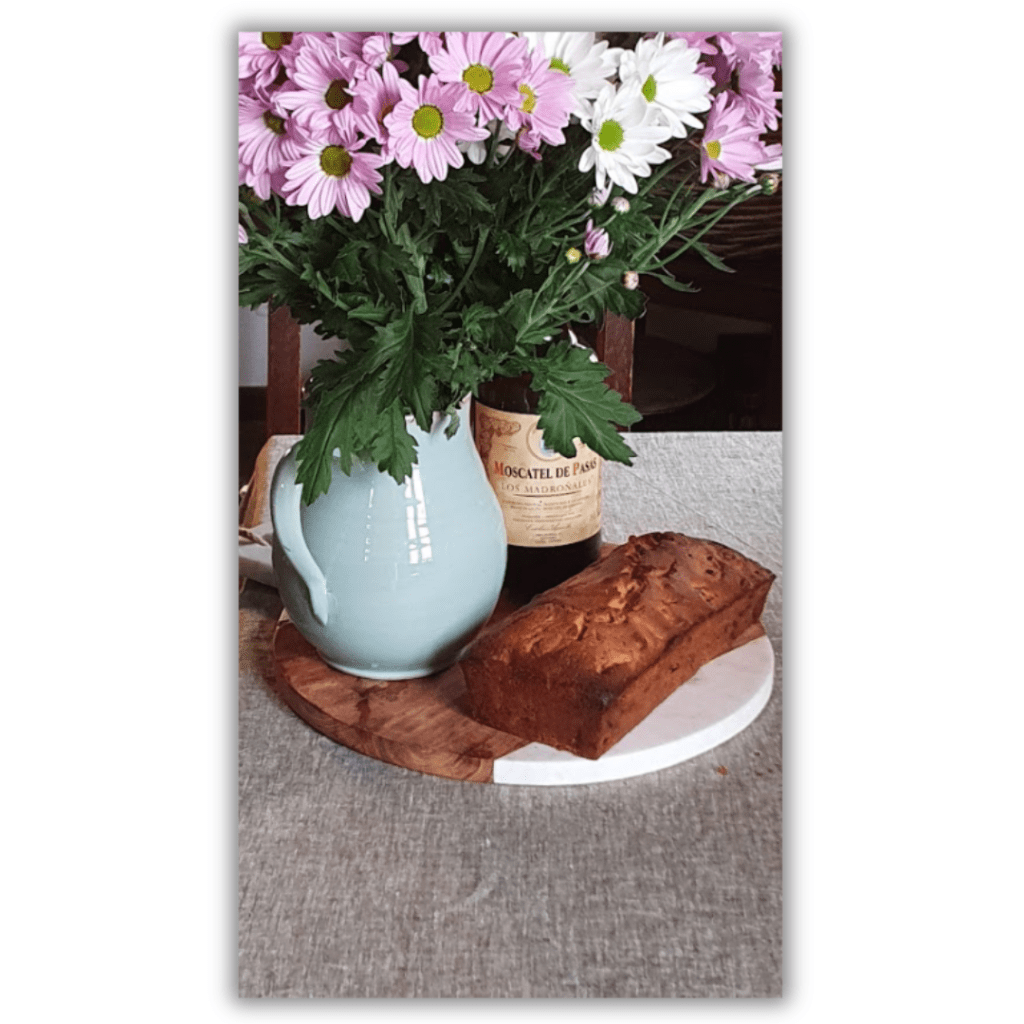
Fitz cake is a cake made with citrus zest and dried fruit, marinated in tea and Moscatel de pasas, a muscatel wine made from raisins ("pasas"). Named after the house dog - Fitz, its first taster - in spite of ourselves. One day

Fitz cake is a cake made with citrus zest and dried fruit, marinated in tea and Moscatel de pasas, a muscatel wine made from raisins ("pasas"). Named after the house dog - Fitz, its first taster - in spite of ourselves. One day
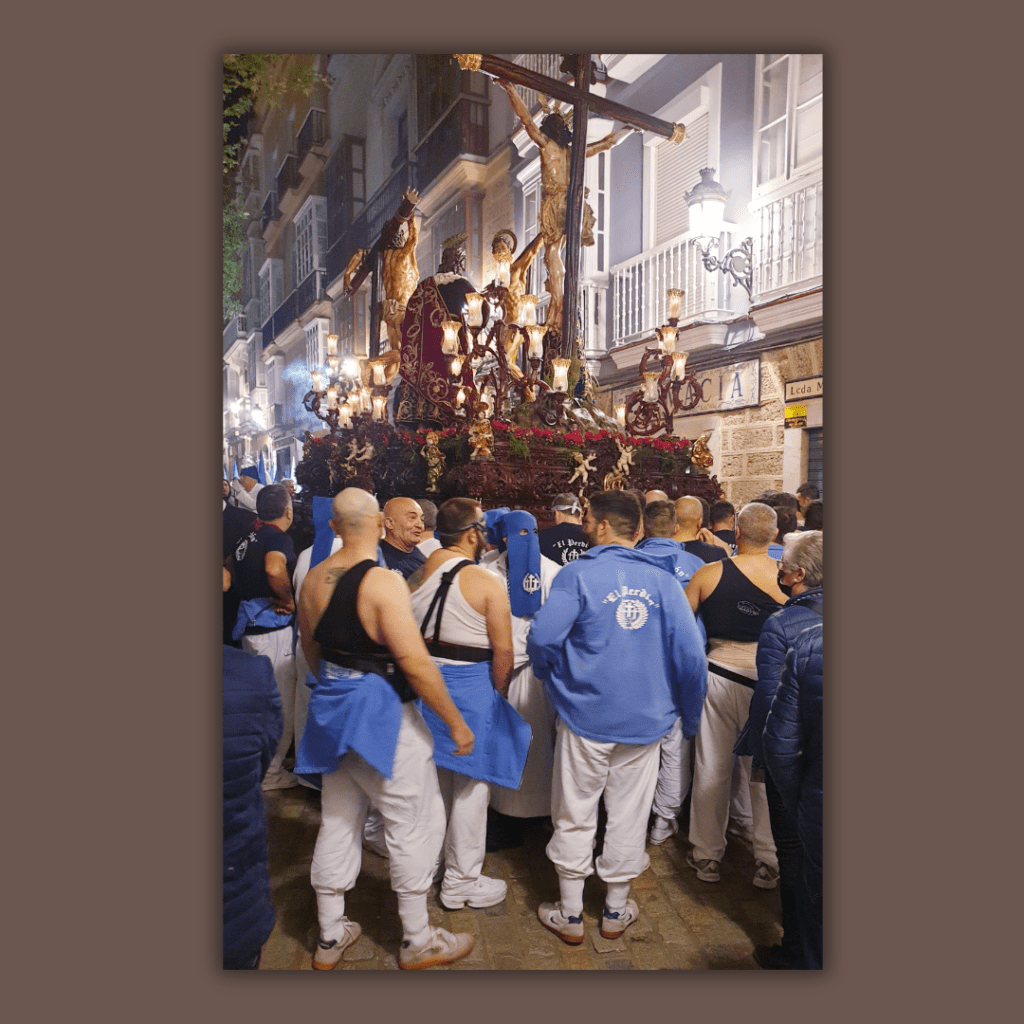
Holy Week is one of the most eagerly awaited feasts in the Spanish calendar. Christians commemorate Christ's Passion, from his triumphal entry into Jerusalem on Palm Sunday to Easter Sunday, the day of his Resurrection. The date of Easter Sunday varies. No Holy Week is complete without the processions organized by
Moon and Holy Week Read more "

In Spain, “guiri” refers to a tourist—someone who passes through and doesn’t return. The word originated in the 19th century during the Carlist Wars: the supporters of Queen Marie-Christine (the “cristinos”) were called “guiristinos” by the Basque Carlists, and later “guiri.” In Cádiz, being a “guiri” isn’t limited to foreigners: starting from San Fernando,
Being guiri: the lot of those who come from elsewhere Read more "
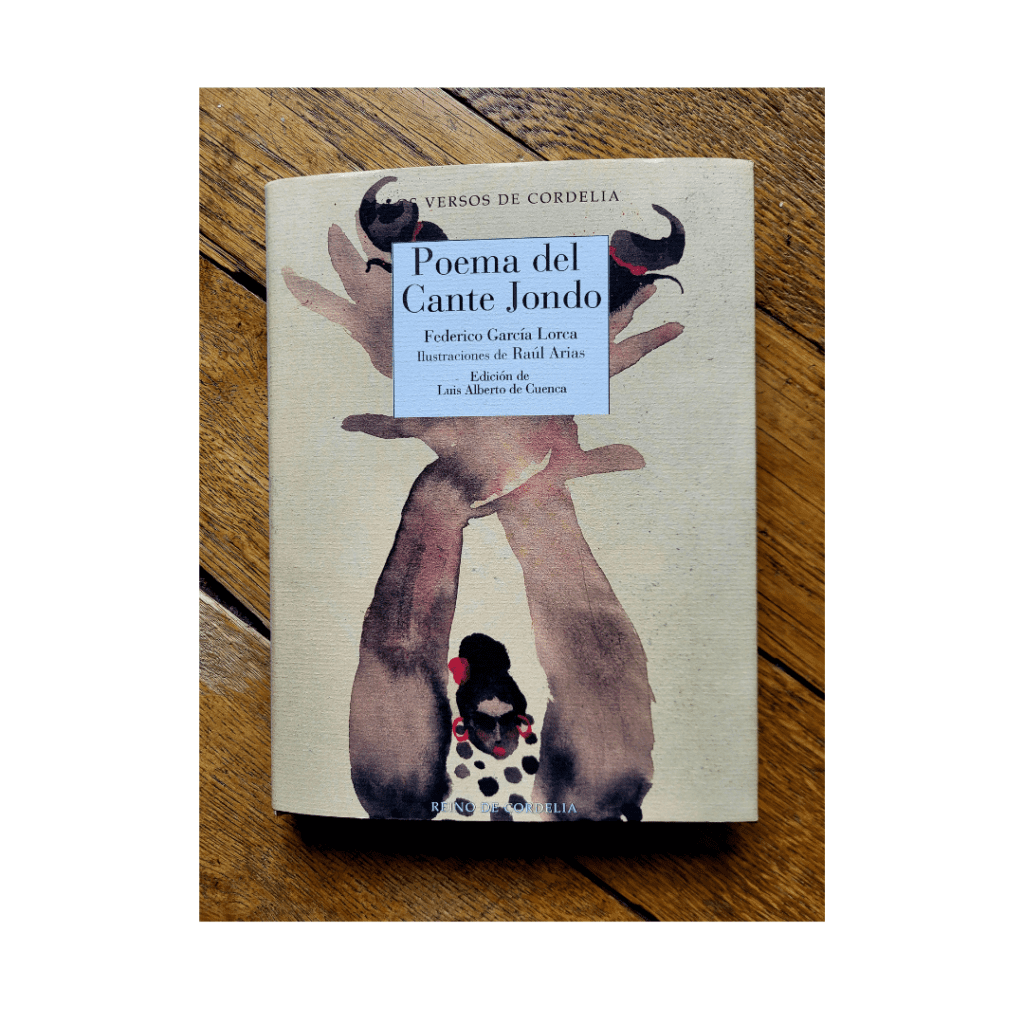
A lovely book published on April 8, purchased from Libreria Manuel de Falla, Plaza de Mina, two doors down from the building where the composer was born. Most of "El poema del Cante Jondo", first printed in 1931, was composed by Federico García Lorca as early as November 1921. Less
"El poema del Cante Jondo" Federico Garcia Lorca Read more "
“Guachisnai” (pronounced “gouachinaïe”) is the Cadiz term for a foreigner. It cannot be found in Spanish dictionaries. The story goes that it comes from “What’s your name?”, the question asked by English merchants who landed in the Bay of Cádiz in the 19th century. Heard, twisted, and reimagined by the people of Cádiz, “What’s your name
Guachisnai, a carnival word Read more "